Featured
Table of Contents
- – ADHD Screening: Beyond Sign Checklists
- – Autism Range Examination: Acknowledging Divers...
- – Learning Impairment Screening: Identifying Cer...
- – Child Evaluation: Developing Considerations in...
- – Adult Assessment: Recognizing Late-Diagnosed N...
- – Neurodivergent-Affirming Evaluation: Changing ...
- – Ashley Garcia
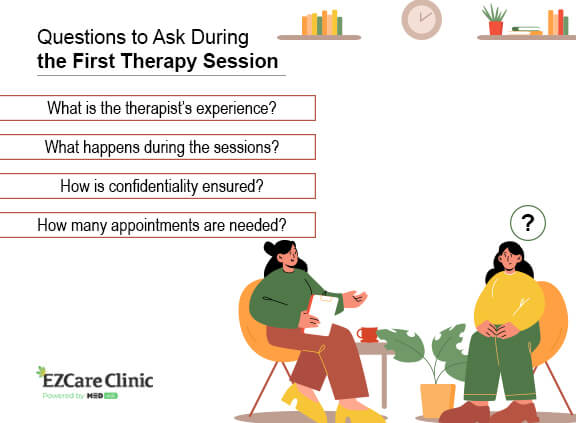
Psychological evaluation offers as a crucial entrance to comprehending cognitive distinctions, finding out patterns, and neurodevelopmental conditions that shape exactly how people navigate the globe. Whether seeking clarity concerning ADHD signs, autism spectrum characteristics, or finding out specials needs, extensive analysis gives the analysis structure required for ideal treatments, lodgings, and self-understanding. Bridges of the Mind provides neurodivergent-affirming analyses that prioritize understanding individual cognitive accounts over pathologizing differences.
ADHD Screening: Beyond Sign Checklists
ADHD assessment has actually progressed significantly from simple behavioral lists to comprehensive analyses that take a look at executive performance, focus guideline, and neuropsychological patterns. Quality ADHD testing integrates numerous information resources including structured scientific interviews, standardized score ranges, constant performance examinations, and frequently neuropsychological procedures of working memory and handling speed. Bridges of the Mind comes close to ADHD examination through this multifaceted lens, acknowledging that precise medical diagnosis calls for recognizing how focus differences manifest across various contexts and life domain names.
The analysis process generally begins with a detailed developing history exploring signs and symptom start, duration, and functional effect. ADHD signs must be existing before age twelve and create substantial disability in multiple setups to meet diagnostic criteria. Nevertheless, many individuals-- particularly females and high-achieving grownups-- establish advanced compensatory strategies that mask underlying attention troubles up until needs go beyond dealing capacity. Comprehensive analysis recognizes these concealed presentations via performance-based screening that reveals executive operating difficulties not obvious in self-report alone.
Continual performance tests like the TOVA or Conners CPT determine sustained focus, impulse control, and reaction irregularity under controlled conditions. These digital evaluations offer objective data about focus patterns that match subjective sign reports. When incorporated with steps of functioning memory, refining speed, and cognitive versatility, critics get insight right into the certain exec operating account underlying interest troubles. Bridges of the Mind uses this multi-method strategy to set apart ADHD from anxiety, depression, or other problems that produce attention-related signs.
Autism Range Examination: Acknowledging Diverse Discussions
Autism analysis requires particular proficiency given the range nature of the condition and historical predispositions that resulted in analysis standards greatly heavy toward male discussion patterns. Comprehensive autism testing analyzes social communication differences, sensory processing patterns, repeated actions or limited interests, and the cognitive processing design commonly referred to as detail-focused or pattern-oriented thinking. Bridges of the Mind offers analyses notified by existing understanding of autism as a neurological distinction instead of a disorder needing remediation.
The gold-standard autism assessment devices consist of the ADOS-2 (Autism Diagnostic Observation Arrange) and ADI-R (Autism Analysis Interview-Revised), though many medical professionals include added actions dealing with sensory handling, alexithymia, and camouflaging actions typical in autistic individuals that discovered to mask their natural interaction design. The evaluation procedure checks out developmental history with particular attention to early social communication patterns, sensory experiences, and the visibility of extreme passions or repetitive habits.
Adult autism assessment provides unique challenges as individuals often create sophisticated masking methods that obscure analysis functions throughout quick clinical experiences. Comprehensive examination for adults consists of analysis of autistic burnout, co-occurring problems like stress and anxiety or clinical depression, and the gathered impact of navigating a neurotypical world without suitable support or self-understanding. Bridges of the Mind acknowledges that late-identified autism frequently reflects assessment spaces instead than late-onset symptoms, particularly for women, non-binary individuals, and people of shade historically omitted from autism research and diagnosis.
Learning Impairment Screening: Identifying Certain Learning Distinctions
Understanding special needs assessment recognizes details cognitive processing differences that hinder scholastic ability purchase despite appropriate knowledge and educational chance. Comprehensive analysis examines reading, creating, maths, and occasionally dental language capabilities while examining underlying cognitive procedures consisting of phonological handling, orthographic handling, functioning memory, and handling speed. Bridges of the Mind's learning impairment evaluations give comprehensive cognitive accounts that inform educational treatments and holiday accommodation referrals.
The assessment process commonly includes intellectual assessment utilizing procedures like the WAIS or WISC together with accomplishment screening taking a look at scholastic ability growth across domain names. Considerable discrepancies between cognitive capability and scholastic success suggest particular finding out handicaps impacting certain ability locations. Modern diagnostic models progressively identify that learning specials needs can take place without ability-achievement discrepancies, specifically when countervailing methods mask underlying handling troubles.
Dyslexia evaluation concentrates on phonological understanding, rapid automatized naming, orthographic processing, and reviewing fluency actions. Dyscalculia assessment examines number feeling, mathematical reasoning, and computation fluency along with visual-spatial handling capacities. Dysgraphia analysis addresses fine electric motor skills, orthographic coding, and created expression fluency. Bridges of the Mind offers set apart evaluation methods attending to each finding out special needs type while identifying that people often present with co-occurring learning differences calling for thorough assessment throughout multiple domain names.
Child Evaluation: Developing Considerations in Examination
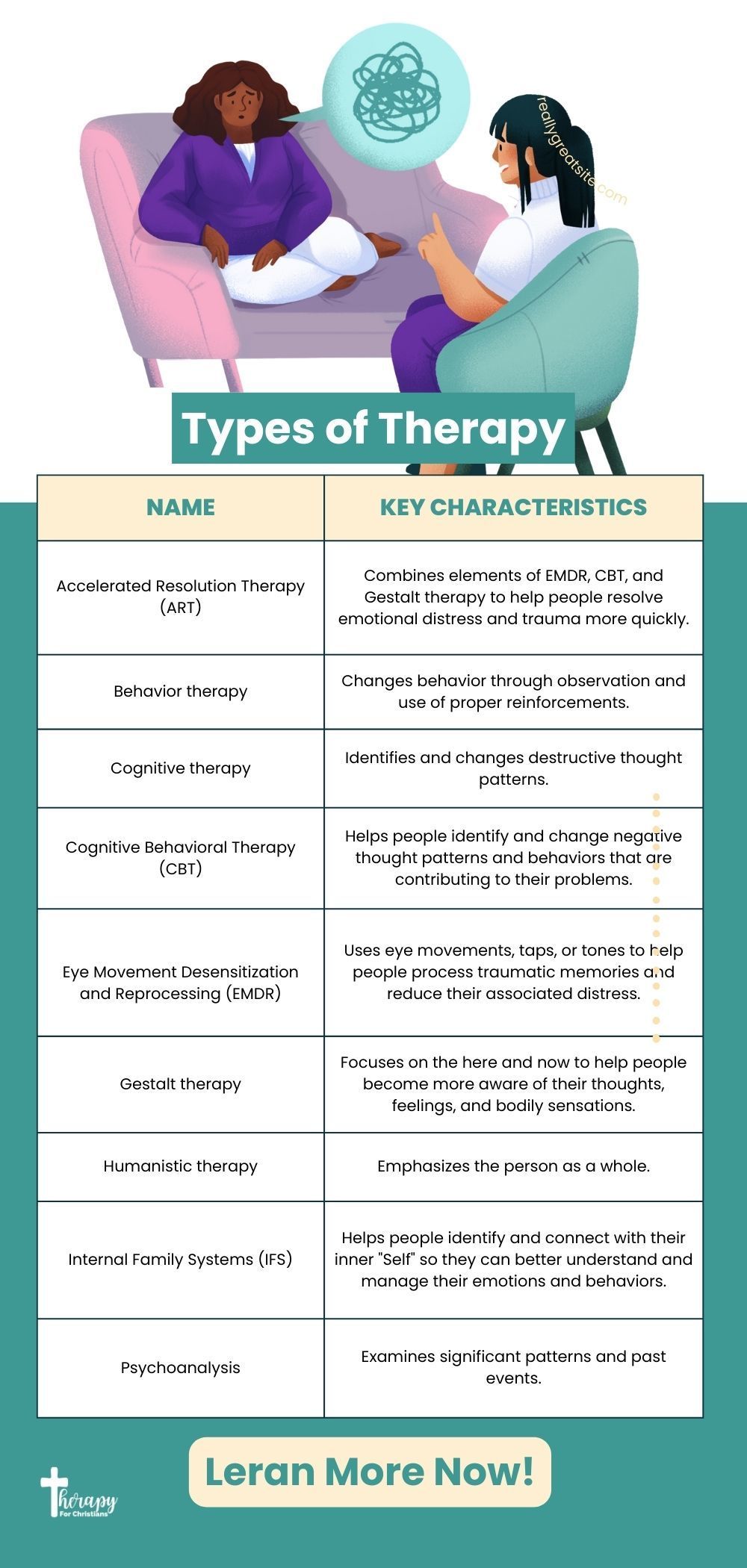
Emotional analysis of youngsters needs customized know-how in developmental psychology, child involvement methods, and age-appropriate assessment steps. Child evaluations should make up developmental variability, the influence of household and academic settings, and the child's capacity to take part meaningfully in testing tasks. Bridges of the Mind comes close to child assessment with developmentally delicate protocols that stabilize standardization needs with the flexibility necessary for valid outcomes with young or diverse students.
Play-based analysis techniques confirm specifically useful for kids who lack the sustained attention or verbal capacities required for traditional screening layouts. Observational evaluation during structured play activities reveals cognitive capabilities, social interaction patterns, and psychological policy skills that educate diagnostic impressions. Moms and dad and instructor rating ranges give vital info regarding the child's working across settings, though critics need to translate these subjective reports within the broader analysis context.
School-based functional problems represents a critical consideration in youngster assessment. Evaluations examine not only whether diagnostic standards are fulfilled but likewise just how cognitive differences effect academic development, peer relationships, and the child's creating feeling of capability. Bridges of the Mind gives evaluation records that equate analysis findings into useful recommendations for school holiday accommodations, therapeutic interventions, and parenting methods that sustain the youngster's developing trajectory.
Adult Assessment: Recognizing Late-Diagnosed Neurodivergence
Grown-up psychological analysis addresses the expanding recognition that several neurodivergent individuals maturate without proper diagnosis or understanding of their cognitive differences. Adults seeking evaluation often existing after years of inexplicable deal with employment, relationships, or daily operating that caused examination into feasible underlying conditions. Bridges of the Mind specializes in grown-up evaluation that contextualizes current operating within developmental history and collected life experiences.
The grown-up analysis process have to disentangle neurodevelopmental problems from obtained mental health problems, clinical problems, or normal cognitive variants. ADHD and autism analyses for grownups require mindful developmental history celebration, commonly entailing childhood record cards, parent meetings when feasible, and thorough exploration of offsetting strategies established throughout the life expectancy. Adults with undiagnosed learning impairment may present with work performance difficulties, avoidance of analysis or creating jobs, or anxiousness around scholastic circumstances that covers up underlying handling differences.
Professional and personal disability documents ends up being particularly crucial for adults looking for office holiday accommodations under the Americans with Disabilities Act or scholastic holiday accommodations in college setups. Comprehensive evaluation reports provide the comprehensive diagnostic rationale and practical effect documents required for protecting ideal supports. Bridges of the Mind understands the useful implications of adult evaluation and frameworks assessment reports to resolve accommodation and treatment preparation together with diagnostic clarification.
Neurodivergent-Affirming Evaluation: Changing the Standard
Neurodivergent-affirming assessment represents a fundamental change from deficit-focused assessment towards comprehending cognitive distinctions as natural variants in human neurology. This method acknowledges that ADHD, autism, and finding out disabilities include both difficulties and toughness, with troubles commonly showing poor environmental fit as opposed to inherent pathology. Bridges of the Mind embraces this verifying viewpoint while offering complete analysis analysis that opens doors to support services and self-understanding.
The neurodiversity paradigm reframes problems traditionally watched as conditions as neurological differences with connected traits instead of signs needing removal. Affirming analysis checks out just how individuals experience their neurocognitive differences, what supports enhance functioning, and just how to develop on existing toughness while addressing real obstacles. This strengths-based strategy shows particularly important for individuals that internalized embarassment regarding their differences prior to recognizing their neurological basis.
Ashley Garcia
I got both of my Autistic boys diagnosed through Bridges, and I have to say that after our first experience I did not want to go through another company, and boy did I make a good decision. They just keep improving. My experience was feeling seen. Feeling like they took the time to really work with my boys and narrow down the areas were having issues with which made any help needed, VERY accessible per their clear instructions for assistance they send to medical. After having a diagnoses at age 5 with my first, we knew his brother at a much earlier age was experiencing some of the same symptoms. Merle worked with us with our second diagnoses, and he showed my baby that he was someone to be trusted from the beginning. I've never seen my little shy boy come out of his shell so quickly and love someone so much instantly. There are people who come into your life and you feel their warmth and the fact that they care SO MUCH. I'm convinced these people screen for the best, most empathetic people to work with them. If you are having a hard time with a possible diagnoses, I would HIGHLY recommend Bridges. This is not always an easy process, but I'm convinced they are driving to constantly improve this experience.
Language selections within evaluation records show this verifying approach-- explaining autistic attributes instead than autism signs, checking out executive working distinctions rather than deficiencies, and acknowledging the credibility of neurodivergent experiences. Bridges of the Mind stabilizes the clinical design language sometimes needed for insurance policy coverage or solution qualification with person-first or identity-first language reflecting private preferences and contemporary understanding of neurodiversity as beneficial human variant calling for accommodation as opposed to removal.

Table of Contents
- – ADHD Screening: Beyond Sign Checklists
- – Autism Range Examination: Acknowledging Divers...
- – Learning Impairment Screening: Identifying Cer...
- – Child Evaluation: Developing Considerations in...
- – Adult Assessment: Recognizing Late-Diagnosed N...
- – Neurodivergent-Affirming Evaluation: Changing ...
- – Ashley Garcia
Latest Posts
Integrated Trauma Therapy: A Comprehensive Approach to Recovery at Every Heart Dreams Counseling
Transformation from Self-Criticism
When Abusive Relationships Exacerbate Food Control Issues
More
Latest Posts
Integrated Trauma Therapy: A Comprehensive Approach to Recovery at Every Heart Dreams Counseling
Transformation from Self-Criticism
When Abusive Relationships Exacerbate Food Control Issues