Featured
Table of Contents
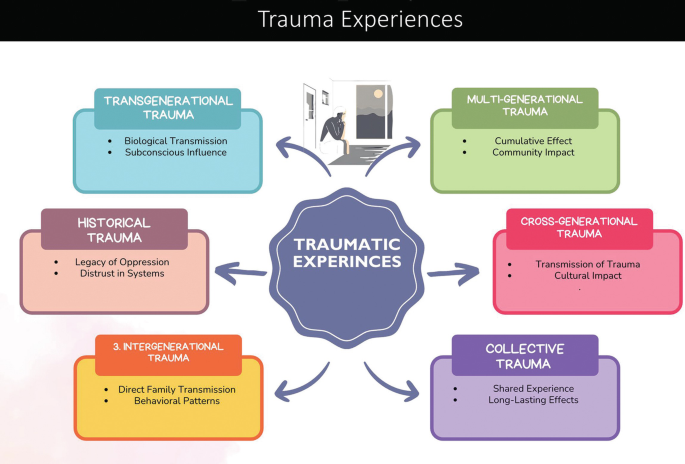
Among the important things the group participants found practical, she remembers, was constructing communication and boundary-setting abilities that they could use with their member of the family. The team yapped concerning exactly how to stay calm, handle their body language and maintain a problem-solving (instead of condemning) focus when having "endure dialogues" with relative concerning actions and patterns that had been embraced due to generational trauma, she claims.
This customer's wish not to pass on her trauma reactions to her kids, along with her stress and anxiety regarding being bad and abusive, is what led her to seek therapy, Guyton includes. When the client began to discover her family history, including the stress her grandma encountered as she emigrated from her Caribbean homeland to the USA, she recognized "I require to talk with her," Guyton recalls.
Virtual Trauma Therapy Access in CA
Guyton then motivated the client to talk to her granny and share exactly how she was really feeling. The client responded by claiming, "I see you, Grandma.

Because we have some distinctions in our identifications, what obstacles might we have in collaborating?" Goodman prompts counselors to broach this subject not just at the start of therapy job with a client yet likewise with normal check-ins throughout the partnership. "We [counselors] each have to figure out for ourselves language that is authentic for us" to cultivate these conversations, she says.
"Privileged teams can still have generational trauma, also though it's not talked about as much," she states. "Anyone that has experienced injury can pass it down.
Integrating Conflicting Cultural Systems
The reality is that clients do not live in a vacuum; they can pursue healing individually in therapy however will inevitably go back to live within their society and family system, she keeps in mind."Generational trauma is just that a specific whose trauma is bolstered within family and culture," Petion adds. So, with this customer population, practitioners have to "assume past the individual being in front of us" in counseling, she worries, and concentrate on how they are healing in connection to their family members and area.
At the same time, therapists should bear in mind that it might not be the client's role to "take care of" or recover their family members or community, Mike cautions. "They might require to make tranquility with healing themselves without handling whole systems," he says. Generational trauma "can be a biological thing, a psychological thing, a social point.
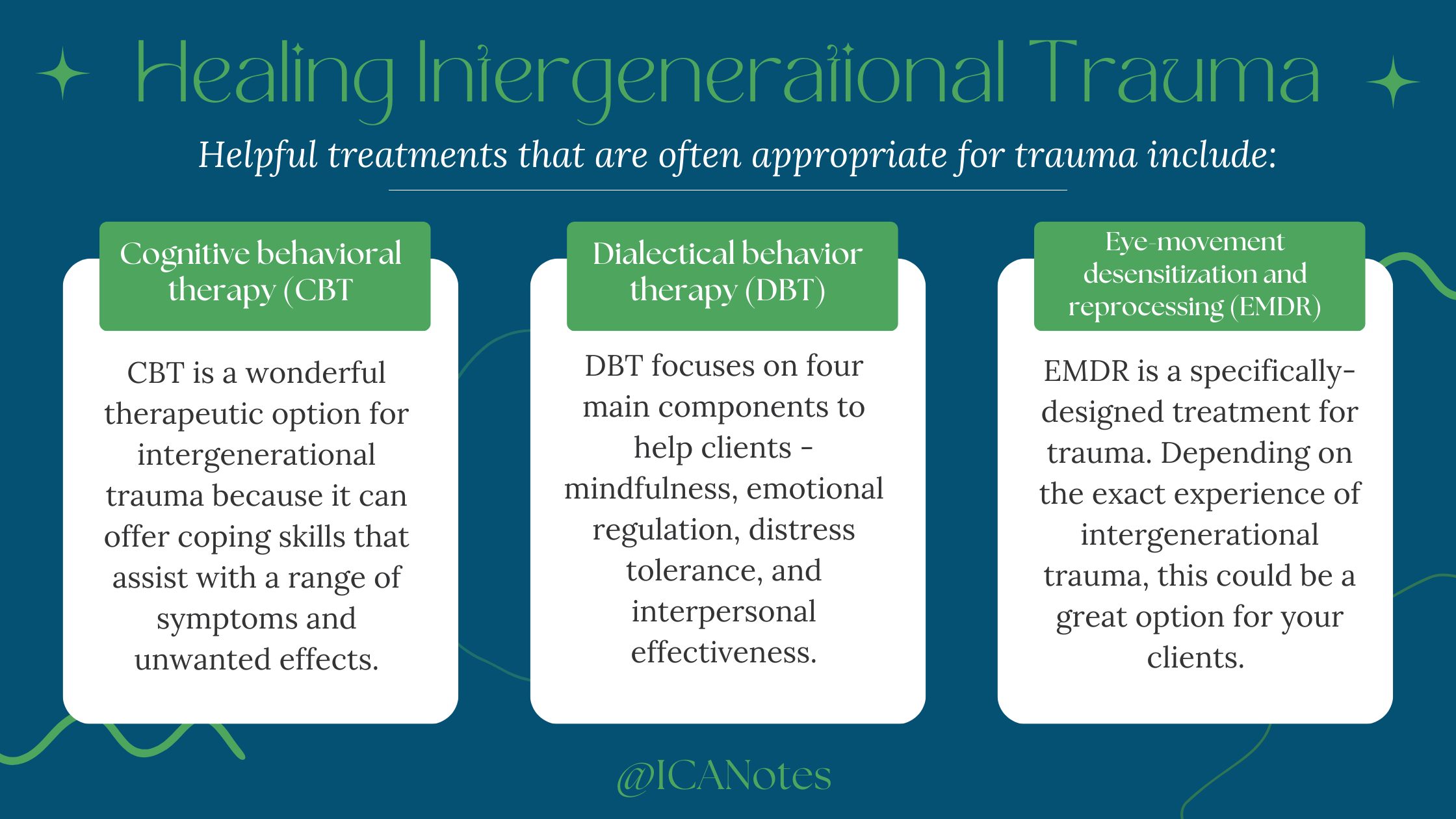
Point of views revealed and statements made in posts showing up in Counseling Today do not always represent the point of views of the editors or policies of the American Counseling Association.
It can really feel both defeating and confirming to uncover that the principle of generational injury reverberates with you. On one hand, it can be reassuring to know that you're not "crazy" or alone in this experience. On the other hand, you may not know exactly how to move on with this info.
Telehealth Trauma Therapy Accessibility in CA
There are lots of terrific resources available, including videos, social media sites blog posts, and podcasts. Past on the internet content, I additionally motivate you to discover some generational trauma publications. It can be incredibly validating to hear from people with similar experiences, consisting of researchers with a deep understanding of these dynamics.
Session size is figured out on the private client demands. AEDP is generally offered in outpatient treatment centers or private method settings.
Particular or routine couples treatment sessions can be integrated as needed to support the key client. Therapy often tends to be lasting, with therapy period normally exceeding one year. IFS is a healing approach which views the internal system as having subparts or subpersonalities, each with unique systems of being inside arranged to finest serve the atmosphere an individual is in.
Balancing Multiple Cultural Systems
This self includes a person's strengths and skills which normally overviews an individual to a healthy and balanced life or healing. IFS' goal is to accomplish equilibrium within the inner system by: distinguishing the self from various other subparts, permitting the self to lead with subparts sustain, andallowing all subparts to exist with participating, non-extreme purpose.
Because of its personalized nature, length of treatment depends on the requirements of the customer(s). IFS is usually promoted in an outpatient setup. Recognizing the specific challenges experienced by adult survivors of complex injury, STAIR/MPE is a two-phase healing treatment focused on skill building and exposure-based therapy in the context of an empathetic and credible partnership.
Clients are offered with ability training to: enhance regulation abilities, improve distress tolerance, andexplore new approaches of engaging with and connecting to others, establishing the foundation for the second phase of therapy. Stage two sustains clients in more processing with stressful situations using a changed variation of long term exposure. Via, clients are subjected to trauma-related memories to: boost recognition of the client's affective and emotional experience, practice law skills, andprocess through challenging styles such as denial, pity, loss, and betrayal.
Life Choices and Parental Approval
These experiences can leave long enduring symptoms well after the event mores than. In the instance of developmental injury, trauma which is normally relational and recurring overtime, an individual might not understand just how their previous experiences can be connected to a selection of signs and symptoms. Problems with connection to others, a total feeling of stress and anxiety or fear, a general pins and needles or feeling of not being totally alive are a few of the reasons to check out trauma treatment.

Latest Posts
Why Genuine Partnership Works
What They Don't Mention About the Postpartum Period
The Neuroscience Of Ketamine Anxiolytic Properties