Featured
Table of Contents
Openly interact with your specialist regarding any kind of problems or modifications in your psychological health, and with each other, you can figure out one of the most suitable course of activity. Open and honest communication with your therapist is essential when reviewing the frequency of the sessions. Below are some tips on exactly how to effectively connect your demands and issues: Take some time to review your treatment experiences and how the existing frequency is affecting your progression and health and whether you require.

Take these suggestions right into factor to consider and review any kind of appointments or issues you may have. Bear in mind, your specialist exists to support you in your mental wellness trip. By maintaining open and clear interaction, you can work together to discover the regularity that ideal sustains your development and well-being.
However, it's important to acknowledge that the frequency of sessions can be changed based on the client's needs and development. If you're having problem with anxiety and locate that you want extra support, it's entirely sensible to share your need to see your specialist more frequently. Frankly mentioning, "I wish to see my therapist regularly," throughout a session can open the door to reviewing prospective changes in session regularity.
Everyone Deserves Peace for Growth
Sometimes, customers with extra serious anxiety or that frequently have thoughts of suicide or self-harm may benefit from DBT. When you're taking part in DBT you commonly will have a regular private therapy session, an once a week 2 hour team abilities training session and some training calls with your specialist. That's a bigger time dedication yet is an exceptionally reliable way to treat clinical depression.
We are devoted to giving the level of treatment that finest supports your trip toward improved mental wellness and health. Therapy frequency is a critical element of mental wellness treatment, and it's vital to locate the best equilibrium that matches your one-of-a-kind needs. While treatment every two weeks can be appropriate for some individuals, it may not provide the needed support and development for others.
It is necessary to keep in mind that therapy is not one-size-fits-all, and the excellent regularity of sessions can differ considerably from individual to individual. For some, therapy every two weeks might suffice, specifically when they remain in a stable stage of their treatment trip. This frequency enables for even more prolonged periods of self-reflection and technique of the skills found out in treatment.
Growing Sustainable Change Through Professional Support

Throughout this time, the regularity of sessions may require to be changed based upon your progress and developing needs. In many cases, treatment as soon as a week isn't enough to address complicated mental wellness conditions or serious signs and symptoms. For example, individuals handling trauma or extreme stress and anxiety might gain from even more frequent sessions to ensure constant support and sign management.
Do not be reluctant to reach out and have an open discussion with us regarding your therapy frequency. With each other, we can establish the finest strategy to support your mental wellness and well-being effectively.
At Aspire Therapy, we're right here to direct you every action of the way.
Where Personalized Therapy for perfectionism Supports Transformation
Therapy regularity isn't one-size-fits-all. Exactly how often you need to go to therapy depends upon your individual objectives, psychological health and wellness problem, and the sort of therapy session you're attending. The majority of people begin with weekly therapy sessions, however gradually, that tempo can change. Whether you're looking for assistance for anxiety, depression signs, trauma, or relationship issues, the right session regularity plays a key role in your therapy journey.
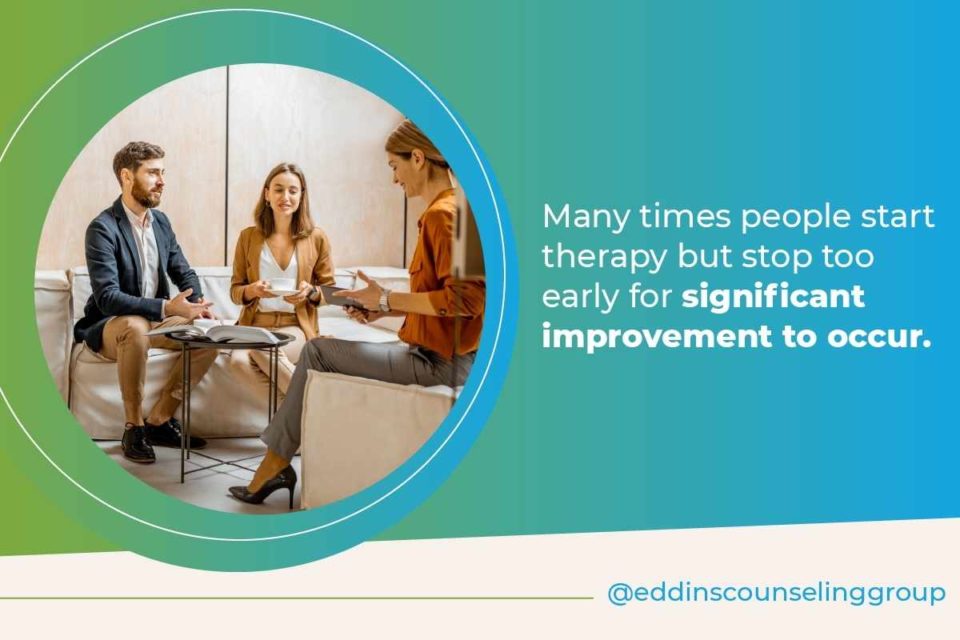
When you're dealing with a major mental disorder, learning psychological regulation skills, or functioning through significant life adjustments, weekly consultations produce framework and momentum. As your signs and symptoms support or objectives change, you could transition to bi-weekly sessions or also a monthly session. These less constant check-ins can still offer liability and area for representation, especially when treatment belongs to a more comprehensive self-care or health care routine.
Therapy is most effective when it's regular. The speed of your sessions directly affects how swiftly and deeply you can refine your emotions, create understanding, and make behavior changes.
Bi-weekly sessions supply more flexibility and are commonly made use of after preliminary development has actually been made. This regularity may be suitable for individuals who remain in a more stable place or are handling mild signs. That stated, the extensive gap in between sessions may restrict opportunities for real-time support and reduce down the speed of adjustment.
Personalized Plans for Personal Specific Goals
This is usually the instance for individuals handling extreme depression, complicated injury, or frustrating life transitions. In these cases, regular sessions provide a supporting force, producing area for safety and security, handling, and emotional policy. It's worth noting that this is not an extensive listing. Some people likewise participate in therapy a lot more frequently if they are experiencing relationship has a hard time or if they are involved in pairs and family members therapy along with specific therapy.
Couples treatment may also call for a more frequent cadence throughout times of dilemma or dispute to rebuild trust and interaction. A monthly session can be reliable for those in upkeep modepeople that have actually finished the much more extensive part of their treatment trip and currently seek periodic check-ins to stay based.
The very best method to identify the appropriate rate is through an open conversation with your therapist. They'll assist evaluate your objectives, development, and needsand advise a proper routine. Treatment regularity ought to advance with you. Many individuals start with weekly treatment sessions to establish rapport and momentum. In time, as dealing approaches become second nature and obstacles are solved, you might transfer to bi-weekly sessions or monthly upkeep sessions.

Latest Posts
Understanding Window of Tolerance in Healing Work
Eye Movement Desensitization for Underlying Traumatic Events
Healing Cross-Generational Trauma Through Professional Support